
First off, Happy Lent!
The Stations of the Cross are such a powerful part of Lent because they invite us to slow down and actually walk with Jesus—not just think about His sacrifice, but enter into it, letting it change the way we see our own struggles, His love, and what it really means to follow Him.
A lot of us grew up doing the Stations of the Cross—maybe walking through them with our school or parish, half-paying attention, just trying to keep up—but revisiting them as adults (or for the first time as a convert) hits completely differently. Now, we’re able to see our own lives in them: our struggles, our failures, our relationships, our suffering. The Stations aren’t just something we do during Lent—they’re a way of stepping into the reality of Christ’s love in a deeper, more personal way, and letting it actually transform how we live.
Here are the basics to help you understand why Catholics pray the Stations of the Cross and how to pray them yourself.
Why Do Catholics Pray the Stations of the Cross?
The Stations of the Cross are a devotional prayer that walks with Jesus from His condemnation to His burial. Catholics pray the Stations to enter more deeply into the mystery of Christ’s suffering and love—to remember that the Cross was the moment Jesus freely gave Himself for the salvation of the world.
This prayer helps form compassion, repentance, gratitude and hope. It teaches us to slow down and pay attention to the love of God revealed in the passion of Christ. And it reminds us that Jesus does not stand far from human suffering—He steps into it.
Prayed alone or with a group, the Stations create space to meditate, listen and respond. They are especially common during Lent, but they can be prayed at any time, particularly in seasons of hardship or discernment.
What Are the Stations of the Cross?
The Stations of the Cross (also called the Way of the Cross) are traditionally 14 moments from Jesus’ passion and death. You’ll notice many churches have images of each station along the walls, inviting people to move from one to the next as they pray.
Some of the stations come directly from the Gospels, and some come from the Church’s long tradition of reflecting on the passion—helping us contemplate not only what happened, but what it means.
Here are the traditional 14 Stations:
- Jesus is condemned to death
- Jesus takes up His Cross
- Jesus falls the first time
- Jesus meets His mother
- Simon of Cyrene helps Jesus carry the Cross
- Veronica wipes the face of Jesus
- Jesus falls the second time
- Jesus meets the women of Jerusalem
- Jesus falls the third time
- Jesus is stripped of His garments
- Jesus is nailed to the Cross
- Jesus dies on the Cross
- Jesus is taken down from the Cross
- Jesus is laid in the tomb
(Some include a 15th station: the Resurrection, especially outside of Lent.)
When Should You Pray the Stations?
Many Catholics pray the Stations on Fridays in Lent, especially Good Friday. But the Stations can be prayed any time you want to unite your heart to Christ crucified.
People often return to this devotion when:
- grieving a loss
- carrying a heavy cross
- seeking repentance and healing
- praying for someone who is suffering
- learning how to trust God in hardship
The Stations are not meant to leave you in despair. They lead you through the Cross, and they teach you how love endures.
How to Pray the Stations of the Cross Step-by-Step
You don’t need perfect words or a perfect setting. The heart of the prayer is simple: move slowly, contemplate the station, respond to Jesus with love and honesty, and keep going.
What You Need
- A church with Stations on the walls or a booklet/printout or a phone guide
- 10–30 minutes (depending on how long you pause)
- A willingness to pray thoughtfully, not quickly
Praying the Stations Step-by-Step
- Begin with the Sign of the Cross.
In the name of the Father, and of the Son, and of the Holy Spirit. Amen.
- Set your intention.
Offer this time to God. You might pray for a specific person, a situation, your own conversion or simply to know Christ more deeply.
- Optional opening prayer (simple and clear).
Jesus, help me walk with You.
Teach me to love You more, to hate sin and to trust You in every cross. Amen.
- Go to the First Station.
If you’re in a church, physically move to the first image. If you’re praying at home, pause and look at the image or title.
- Announce the Station.
Example: The First Station: Jesus is condemned to death.
- Pray the traditional response.
- We adore You, O Christ, and we bless You.
- Because by Your holy Cross You have redeemed the world.
- Read a short passage (optional) or hold a moment of silence.
Some people read a brief Scripture line or a short reflection. Others simply pause and imagine the scene.
- Meditate: enter the moment.
Ask one or two simple questions:
- What does this station reveal about Jesus’ love?
- Where do I see my life in this moment?
- What do I want to say to Him here?
- Pray an Our Father, Hail Mary and Glory Be.
Our Father…
Hail Mary…
Glory Be…
- Move to the next station and repeat.
Continue this pattern through all 14 stations.
- Conclude after the Fourteenth Station.
After Jesus is laid in the tomb, pause for a moment of silence.
- Closing prayer.
Lord Jesus, thank You for Your Cross and for the love poured out in Your passion.
Help me carry my crosses with faith, to unite them to Yours and to follow You into new life. Amen.
- End with the Sign of the Cross.
In the name of the Father, and of the Son, and of the Holy Spirit. Amen.
Diving Deeper into the Stations of the Cross
Below is a reflective walk through each station—meant to slow you down, draw you in, and help you encounter Christ more personally in His suffering and love.
1. Jesus is Condemned to Death

Jesus stands silent before Pilate, falsely accused, rejected by the very people He came to save. There is no defense, no argument—only surrender. In this moment, He accepts injustice so that we might receive mercy. We are invited to consider where we seek approval from the crowd rather than truth, and to trust God even when we are misunderstood.
2. Jesus Takes Up His Cross

The weight of the Cross is placed upon His shoulders—the instrument of His death, now embraced willingly. Jesus does not resist. He chooses it. This is love in action: not avoiding suffering, but transforming it. We are reminded that our own crosses, when united to His, become paths to redemption.
3. Jesus Falls the First Time

Overwhelmed by exhaustion and pain, Jesus collapses beneath the Cross. The Son of God falls to the ground. Yet He rises again. This station speaks to our first failures—those moments we feel weak or incapable. Christ meets us there, showing us that falling is not the end.
4. Jesus Meets His Mother

Their eyes meet—no words, only shared sorrow and deep love. Mary does not stop the suffering, but she stays with Him in it. This encounter reminds us of the quiet strength of presence. Sometimes love is simply not leaving.
5. Simon of Cyrene Helps Jesus Carry the Cross

Simon is pulled from the crowd, unwilling at first, to carry the Cross behind Jesus. What begins as obligation becomes participation in salvation. We, too, are called to help carry one another’s burdens—often unexpectedly, often inconveniently.
6. Veronica Wipes the Face of Jesus

In the midst of chaos, Veronica steps forward with courage and tenderness. She wipes His face, and in return receives His image. Small acts of love leave eternal marks. Compassion, even in the smallest form, matters deeply.
7. Jesus Falls the Second Time

Again, Jesus falls. The journey grows heavier. This is the weariness that comes not from one failure, but from repeated struggle. Still, He rises. This station invites perseverance—especially when we are tired of trying again.
8. Jesus Meets the Women of Jerusalem
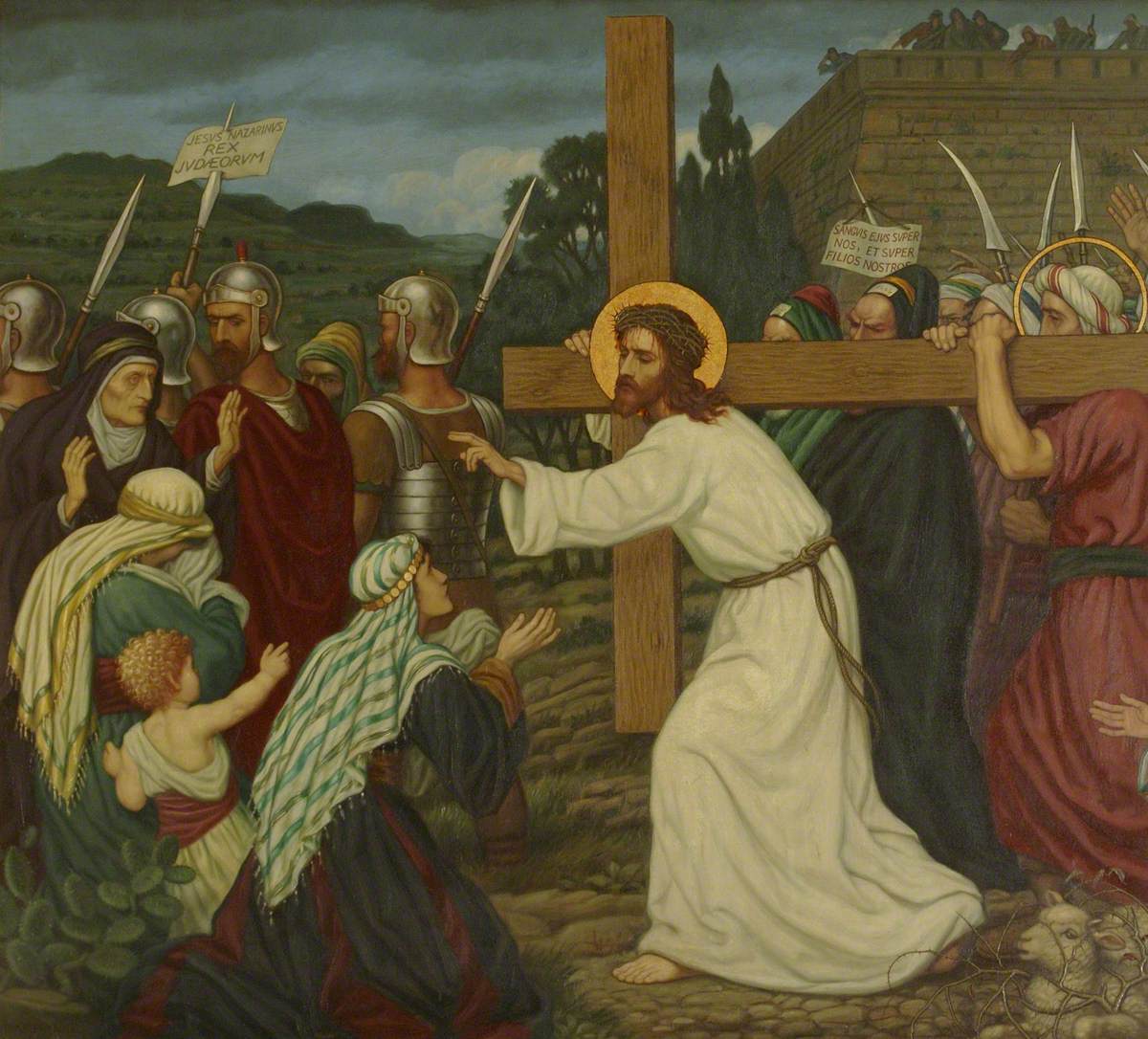
The women weep for Him, but Jesus turns their attention outward: “Do not weep for me…” Even in suffering, His heart is for others. This station calls us beyond self-focus, even in pain, toward compassion for the world.
9. Jesus Falls the Third Time
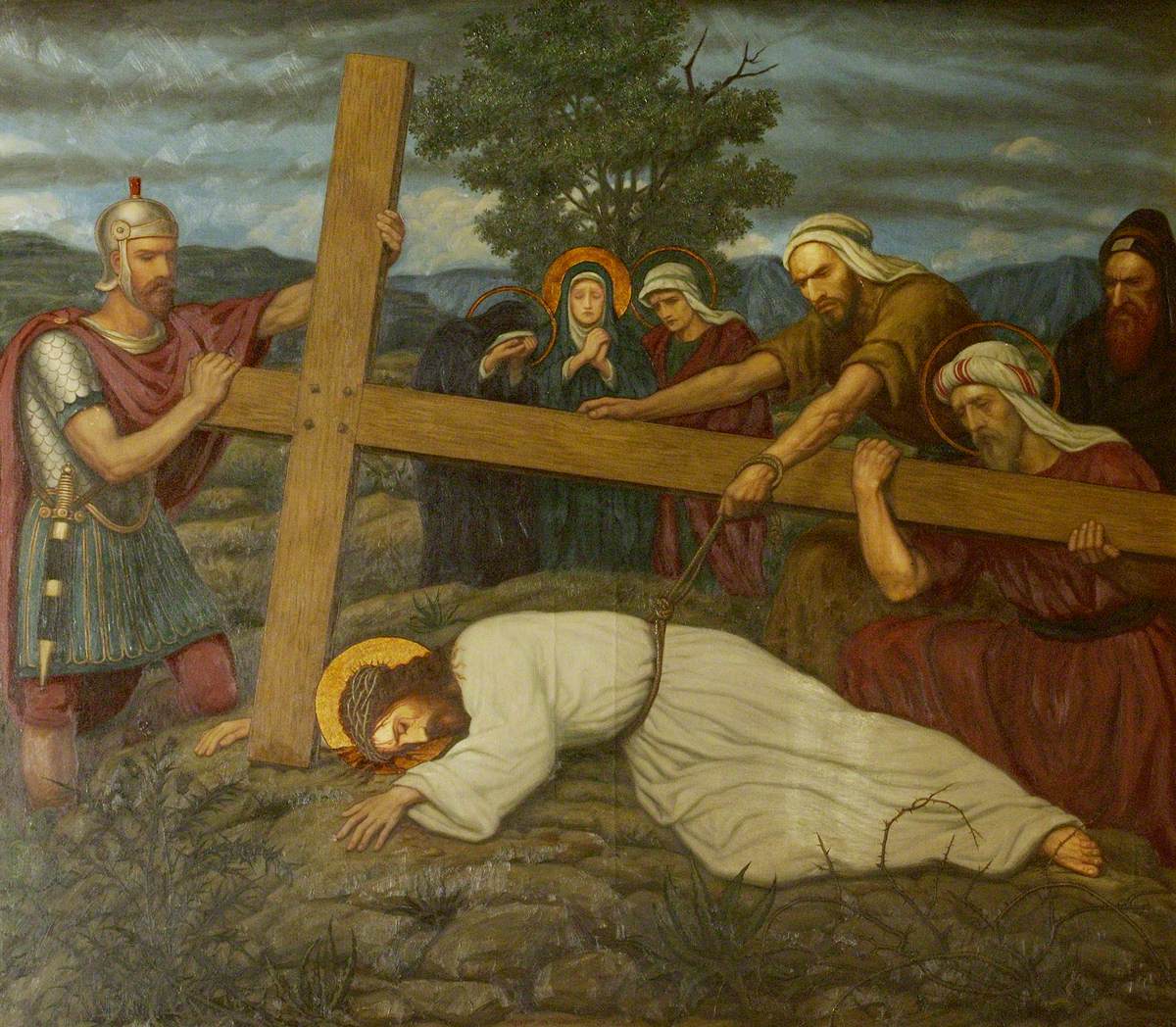
The final fall—total exhaustion, near the end. Yet He rises once more. This is the depth of perseverance, when there is nothing left to give. Christ shows us that grace carries us even when our strength is gone.
10. Jesus is Stripped of His Garments

Jesus is stripped, exposed, humiliated. Nothing is held back. He enters fully into human vulnerability. In this moment, we see a God who does not protect Himself from shame, but redeems it.
11. Jesus is Nailed to the Cross

The nails pierce His hands and feet—His body fixed to the Cross. This is love that does not run. Love that stays. Even here, Jesus forgives: “Father, forgive them…” We are invited to consider the cost of true love.
12. Jesus Dies on the Cross

“It is finished.” The world goes quiet. Jesus gives His life completely. This is not defeat—it is fulfillment. Love poured out to the end. In His death, we find life.
13. Jesus is Taken Down from the Cross
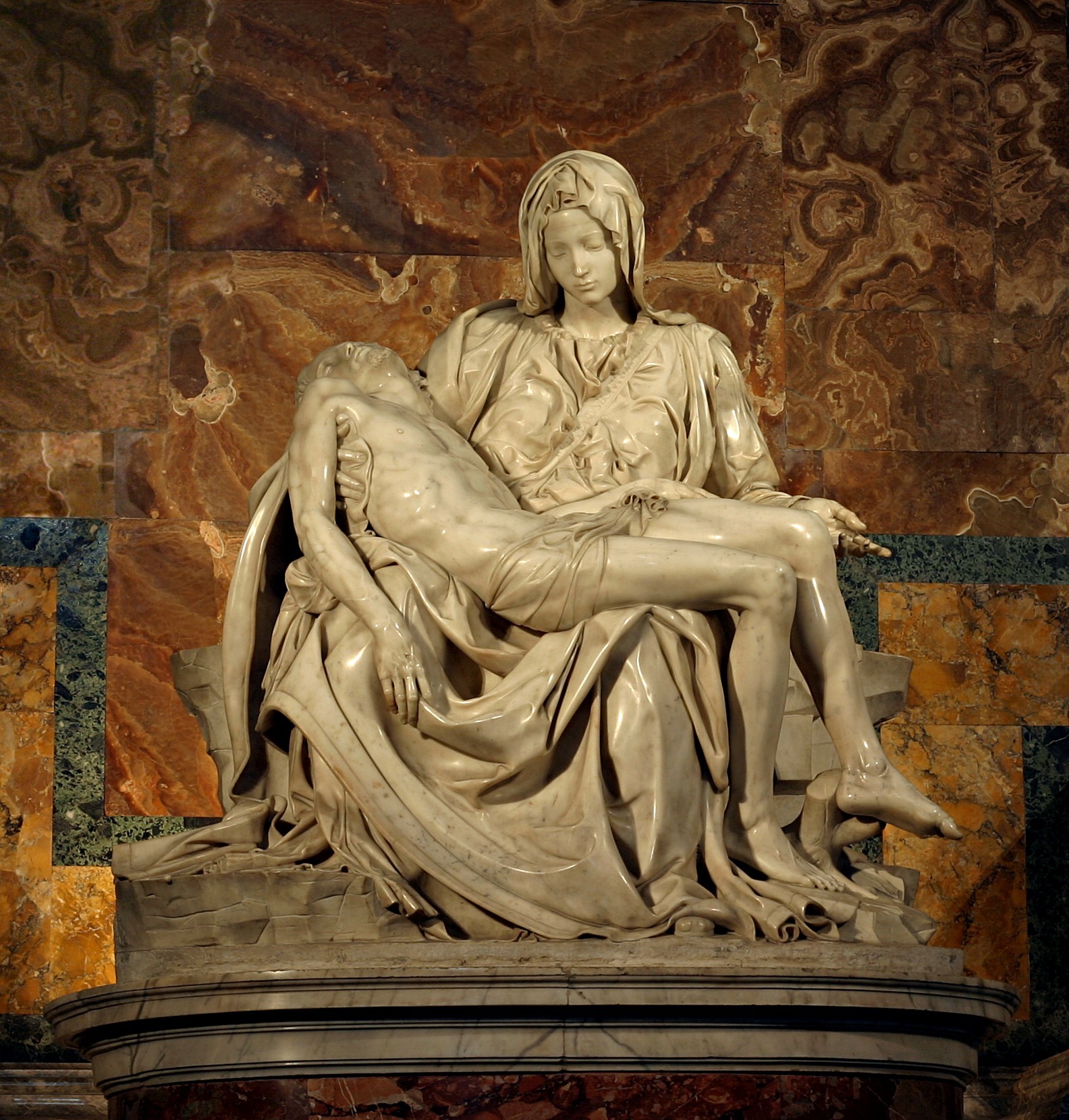
His body is placed into the arms of His mother. The stillness is heavy with grief. This is love in mourning, love that remains even in loss. It speaks to every moment of sorrow we carry.
14. Jesus is Laid in the Tomb
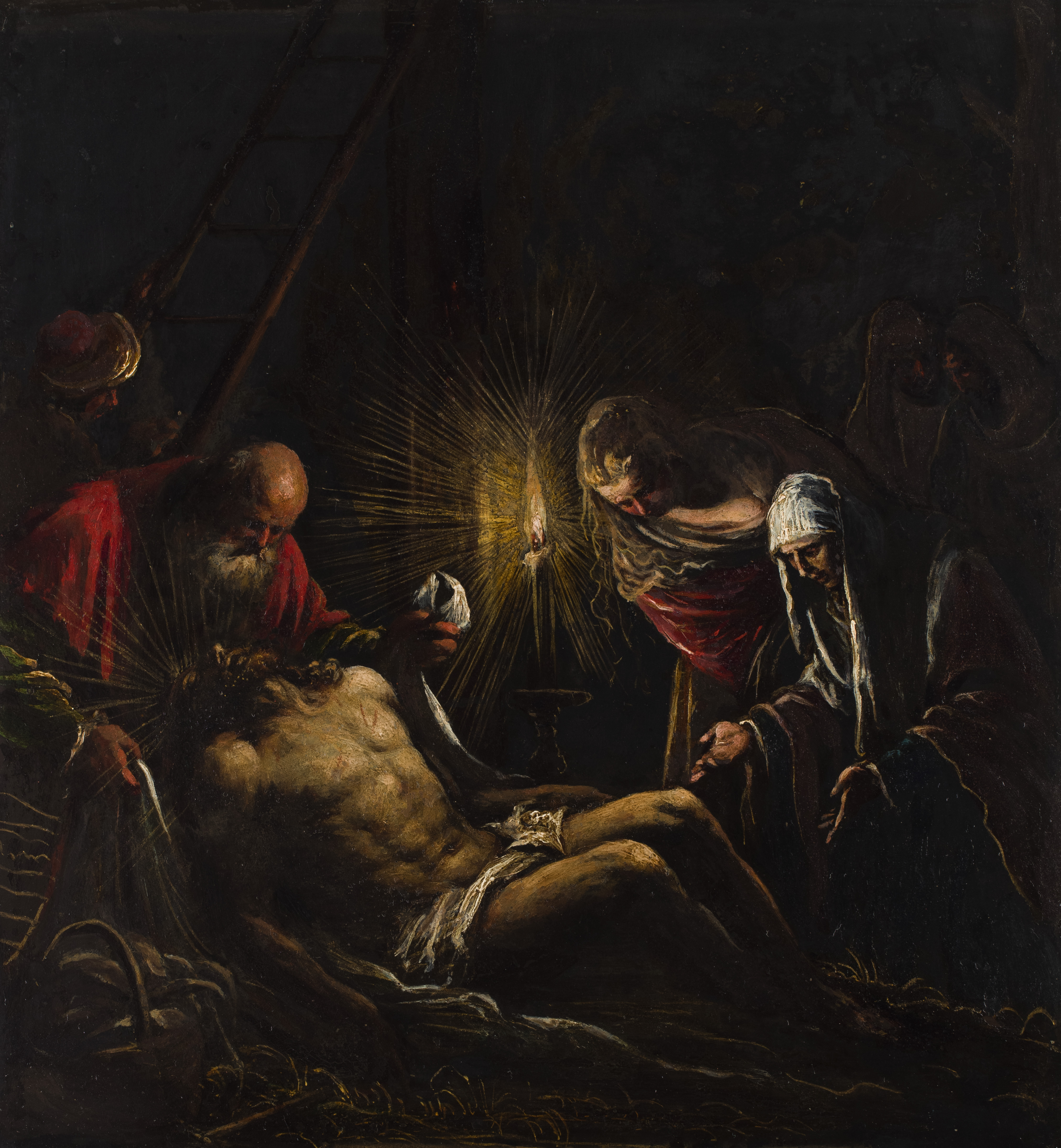
The tomb is sealed. Silence. Waiting. It feels like the end—but it is not. This station holds the tension between grief and hope. Even in darkness, God is at work.
Additional Resources
If you’d like to go deeper in prayer this Lent or grow in devotion to Christ’s mercy, these resources can help guide you:
- 20 Unique Things to Give Up for Lent, practical and spiritually rich ideas for making your Lenten sacrifices more intentional.
- Join a Lenten Bible Study to help you live out this season with meaning and purpose.
- How to Pray: A Step-by-Step Guide to the Divine Mercy Chaplet, learn this beautiful devotion centered on Christ’s mercy, especially powerful during Lent and the Easter season.
How to Pray: Consecration to St. Joseph, a guided prayer inviting St. Joseph’s fatherly protection and model of trust in God.




 Give
Give
